
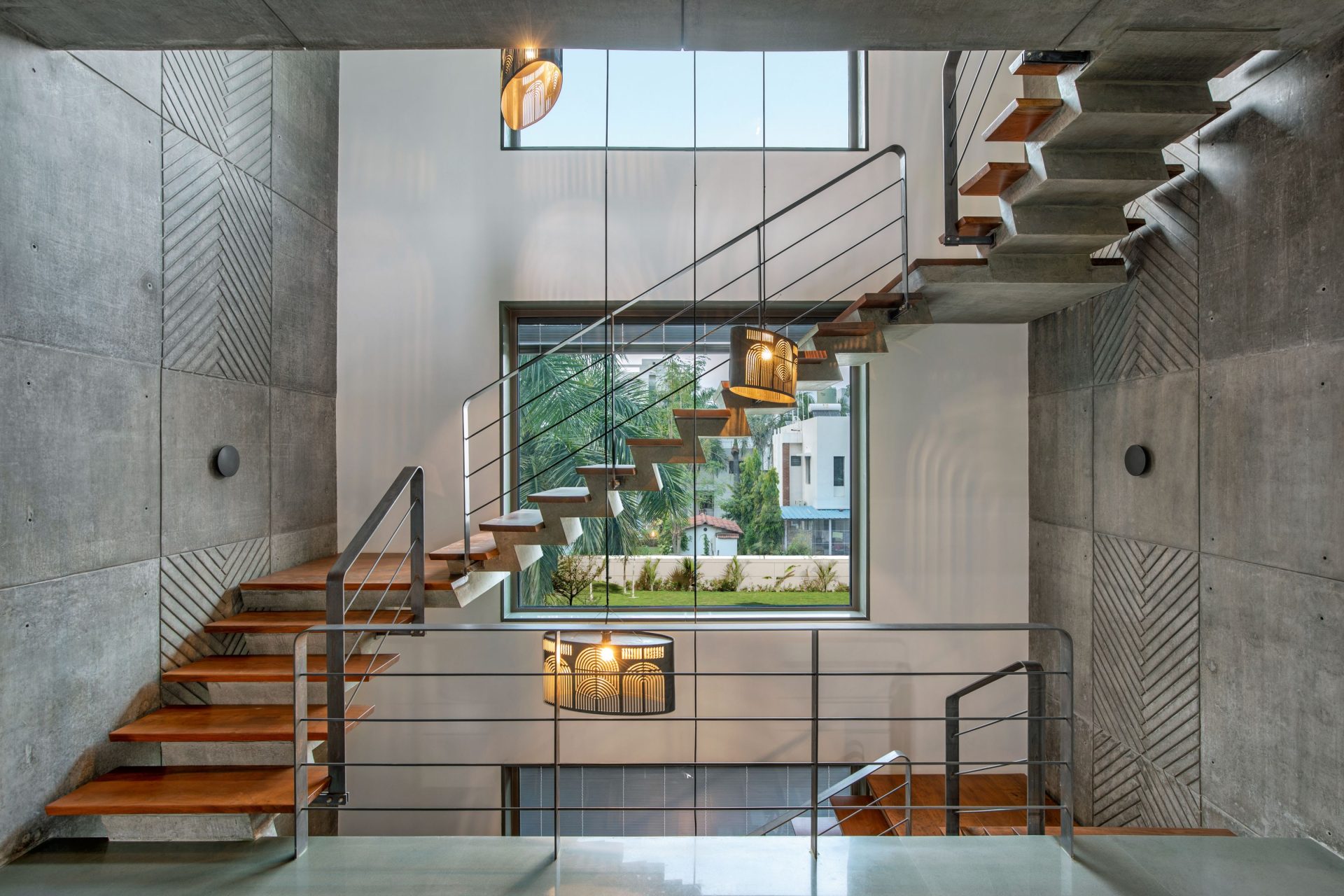

Concrete has turned out to be the staple of modern architecture which perfectly combines form, functionality and strength in residential and work places. The combination of durability, versatility, and sustainability is a unique feature that makes it an ideal material in floors, walls, and countertops and even the whole facades. With a modernist culture of low-maintenance, high-performance spaces, concrete is a material that can be used to promote modernism, as well as address the functionality needs of the space.
1. Unmatched Durability and Longevity
Concrete is famous because of its strength and capacity to carry heavy loads, withstand harsh weather, and its daily wear. Properly mixed and cured it can take decades to degrade with little. In residential areas, the concrete floor is not easily scratched or chipped as compared to most other types of floor finishes, whereas in commercial structures, the concrete floor can be used by heavy machinery, people on their feet and constant use without the need to have the floor refurbished regularly. This longevity can be transferred to savings in time on repair and replacement.
2. Design Flexibility and Aesthetic Versatility
Concrete is no longer the dull gray stereotype, it can be polished, stained, tinted or stamped to look like wood, stone or terrazzo. Concrete is used to provide architects and designers with continuity between the indoor and outdoor spaces, sculptural walls, monolithic staircases, and custom countertops. Floors made of polished concrete, especially, provide lofts, offices, and retail areas with a sleek, industrial-chic appearance without being high-maintenance and being simple to clean.
3. Fire Resistance and Safety
Concrete is also non-combustible and offers a great resistance to fire, which slows down the fire propagation and secures the occupants. Commercial building walls, floors, and partitions are made of concrete and are safer and tend to satisfy high-fire-code standards using fewer additional treatments. Concrete can be used in homes, basements, garages and even interior walls to exploit its safety and thermal stability.
4. Thermal Mass and Energy Efficiency
The thermal mass of concrete enables it to absorb, store and slowly give away heat, which will stabilize the temperatures in the indoors. Slab-on-grade concrete floors can be used in houses together with radiant floor systems to provide even temperatures with less energy consumption. Incidentally, insulated concrete walls and roofs in the business premises minimize cooling and heating needs, reducing energy expenses and enhancing the comfort of the occupants throughout the year.
5. Low Maintenance and Hygienic Surfaces
Concrete floors and countertops are simple to clean and resistant to mold and bacteria as well as stains once sealed. This ensures that they are suitable in kitchens, bathrooms, clinics, restaurants and retail stores where cleanliness and hygiene is important. Concrete surfaces in the house can also be wiped down easily, and the time saved can be used to polish or refinish the more fragile materials.
6. Sustainability and Recyclability
Recycled aggregates and added cementitious materials like fly ash or slag can be used to make concrete, which makes the concrete less environmental hazardous. Concrete may be crushed and used in the base of the road, in new mixes of concrete or in landscaping at the end of the life of a building. Together with the energy-efficient design, concrete will help create more sustainable buildings that are environmentally friendly in accordance with the current standards.
7. Structural Integrity and Cost‑Effectiveness
Concrete is the preferred choice of load-bearing walls, beams, columns and slabs both in residential and commercial construction because its strength is predictable. Concrete bears tall buildings, parking spaces and complicated floor plans in high-density urban development. It is not the most expensive material, but it does not need to be renovated as often, which is why it is cost-effective and provides long-term benefits, as well as contributes to versatile building systems at once.
The strength, elegance, and practicality of concrete remain the defining features of the modern spaces to this day, and it proves that the ideal material is not only functional, but also highly expressive.